|
Getting your Trinity Audio player ready...
|
A New Phase in India–Russia Diplomacy
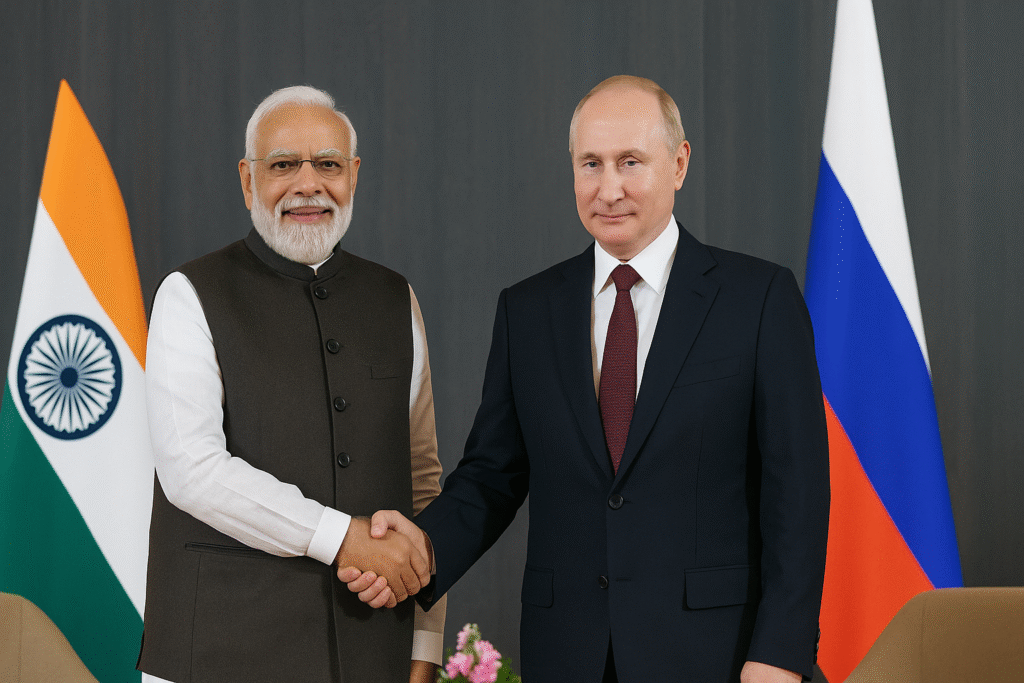
Vladimir Putin’s arrival in New Delhi marks far more than a ceremonial state visit. With a private dinner hosted by Prime Minister Narendra Modi setting the tone, the engagement underscores the depth of a partnership built over decades — now being reshaped to suit a very different global landscape.
This visit signals intent. Both countries know the world is shifting quickly, and neither wants to be caught reacting late. Strengthening old alliances while opening new economic and strategic pathways is the clear agenda.
Private Dinner, Public Message
The Modi–Putin private dinner isn’t just hospitality; it’s deliberate diplomacy.
Such informal, high-trust interactions open doors for discussions that formal meetings often restrict. It reflects the personal equation between the two leaders — something that has become increasingly important in global statecraft.
At a time when the Russia–Ukraine conflict has redrawn geopolitical lines, India hosting Putin this prominently is a clear message: New Delhi will chart its own course, independent of global pressure.
Trade & Energy: The Economic Backbone
The centerpiece of this visit revolves around trade, energy security, and long-term economic collaboration.
India has emerged as a key buyer of Russian crude, enabling stable domestic energy prices. But both countries now want to move beyond this transactional model. Key areas on the table include:
- Industrial and manufacturing partnerships
- New logistics and shipping corridors
- Expansion of mining and minerals cooperation
- Healthcare and pharma linkages
- Space and tech collaboration
- A push toward rupee–rouble trade to reduce reliance on the dollar
This is India’s opportunity to secure cheaper energy, diversify imports, and build joint ventures that strengthen domestic infrastructure.
For Russia, India remains a massive market — one that is open, stable, and geopolitically significant.
Defense Cooperation: Renewing a Legacy
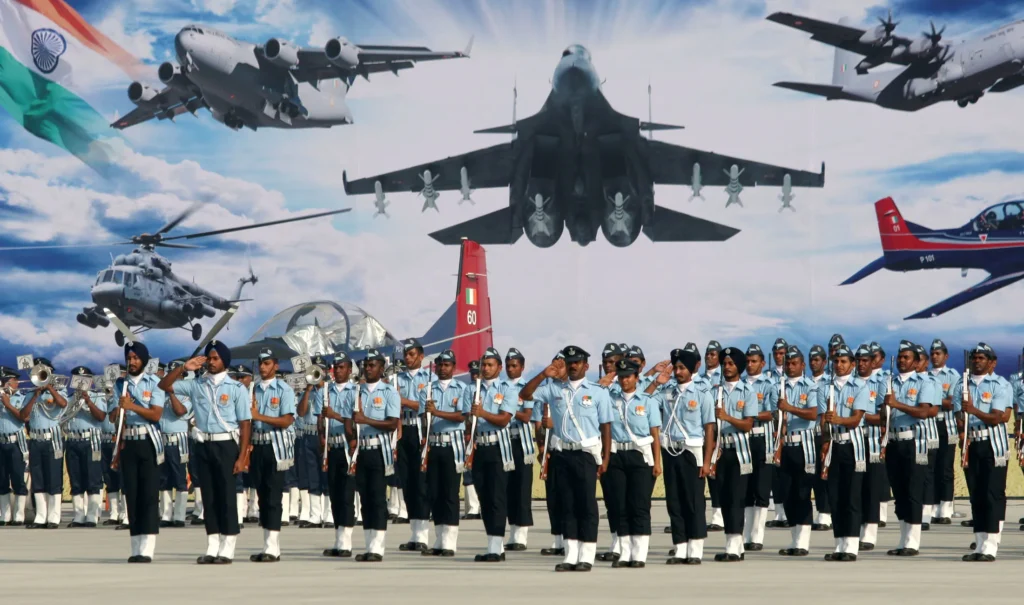
India–Russia defence ties go back decades, and they remain essential even as India diversifies its military suppliers.
Key defence discussions during this visit likely include:
- Delivery timelines for existing systems
- Enhancements to air defence frameworks
- Possibilities for co-production or joint development
- Updates on legacy systems like the S-400
Strengthening these ties gives India strategic autonomy — the freedom to choose, negotiate, and balance major global powers without dependency.
India’s Balancing Act in a Divided World
Welcoming Putin in this geopolitical climate is a firm expression of India’s foreign policy doctrine: multi-alignment, not isolation.
India refuses to be boxed into a single global camp — and this visit reinforces that stance. New Delhi has consistently emphasized diplomacy over war and dialogue over confrontation, even while deepening ties with Moscow.
This balanced, interest-first approach is exactly why India is now seen as a rising global influencer.
Shaping the Next Decade of India–Russia Relations
Putin’s visit is not about short-term wins. It’s about setting up a framework for the next 10 to 20 years.
Expect long-term outcomes in:
- Energy security
- Strategic defence collaborations
- Industrial modernization
- Technology and space missions
- Investment and trade corridors
Both nations are making it clear: this partnership is evolving with purpose.
India gains economic leverage, energy stability, and strategic flexibility.
Russia retains a crucial Asian ally and access to a market that remains resilient and rapidly expanding.
In a world that’s polarizing fast, this renewed engagement isn’t just smart — it’s necessary.