|
Getting your Trinity Audio player ready...
|

On 5 October 2025, at the R. Premadasa Stadium in Colombo, India’s women’s cricket team delivered a powerful statement: an 88-run victory over arch-rivals Pakistan, reinforcing their dominance and sending a resonant message to millions back home.
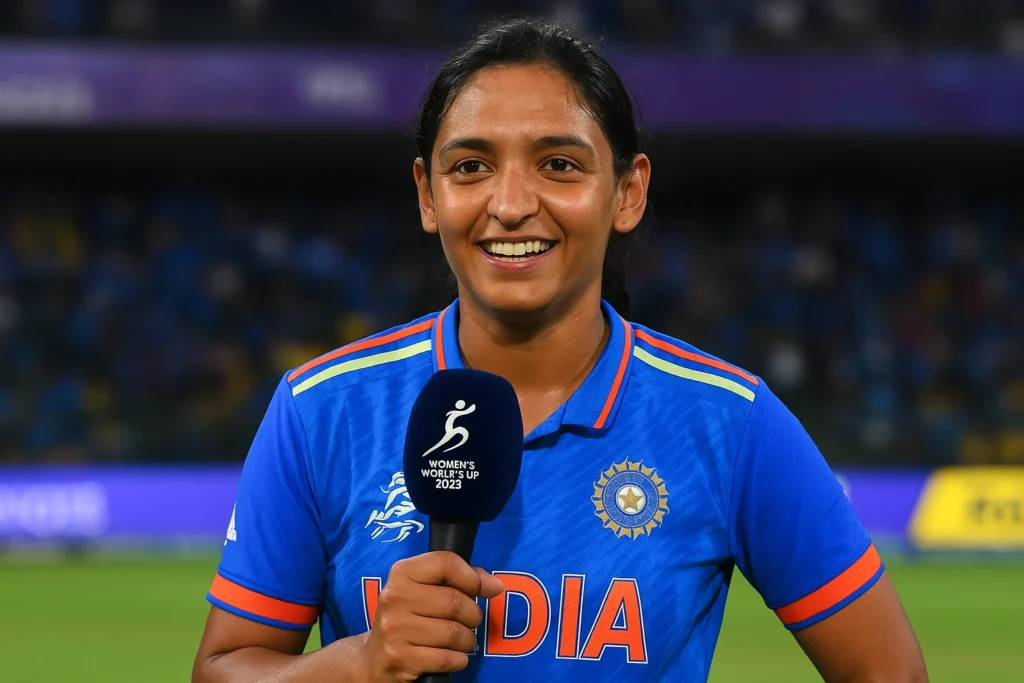
Post-match, captain Harmanpreet Kaur addressed Indian fans:
“Very happy, very important game for all of us, and I’m sure everyone back home is happy as well.”
That line — simple, earnest, inclusive — struck a chord. In times when sport often intersects with politics or national sentiment, Kaur’s gesture reminded us that for many, this is more than just a cricket match: it’s pride, connection, identity.

But the win itself was emphatic, and built on strong performances across departments. Let’s dig deeper.
Match Snapshot & Key Performances
Batting: Scrappy Start, Explosive Finish
India’s innings began in fits and starts — the top order found starts but failed to convert big scores.
- Harleen Deol played a steady hand: 46 off 65 balls, anchoring middle overs.
- Jemimah Rodrigues chipped in with 32, and Deepti Sharma also added 25.
- The real shift came late: Richa Ghosh unleashed a cameo — 35 not out off 20 balls, giving India the oomph in the final overs.
India posted 247 in their 50 overs.
The pitch wasn’t forgiving. Kaur acknowledged it wasn’t easy to bat on, especially after rain had affected conditions.
Bowling & Fielding: Discipline, Opportunities, and Warnings
Once Pakistan strolled in to chase, India’s bowlers struck decisively.
- Kranti Goud was a standout: 3 wickets for 20 runs.
- Deepti Sharma also bagged 3 wickets (3 for ~45) to supplement the attack.
However, India’s fielding was sloppy — dropped catches, missed reviews, and misfields drew criticism even as the team won. Kaur was forthright: “We let ourselves down on the field … there are a lot of areas to work on.”
One turning point was a controversial run-out of Muneeba Ali (Pakistan opener). There was debate about whether she had grounded her bat. The decision stood, triggering tension and debate.
Also of note: in defiance of usual protocols, Kaur and Pakistan captain Fatima Sana did not shake hands at the toss, a mirror of similar gestures in recent men’s cricket.
Dominance, Context & Rivalry
- This win pushed India’s head-to-head ODI record over Pakistan to 12-0 — a clean sweep in every meeting to date.
- Some analysts observed that India’s performance was “glitchy” — full of errors and moments of inconsistency — yet the margin of victory was comfortable.
- The broader politics of India-Pakistan add tension: sporting gestures (or the withholding thereof) often carry symbolic weight.
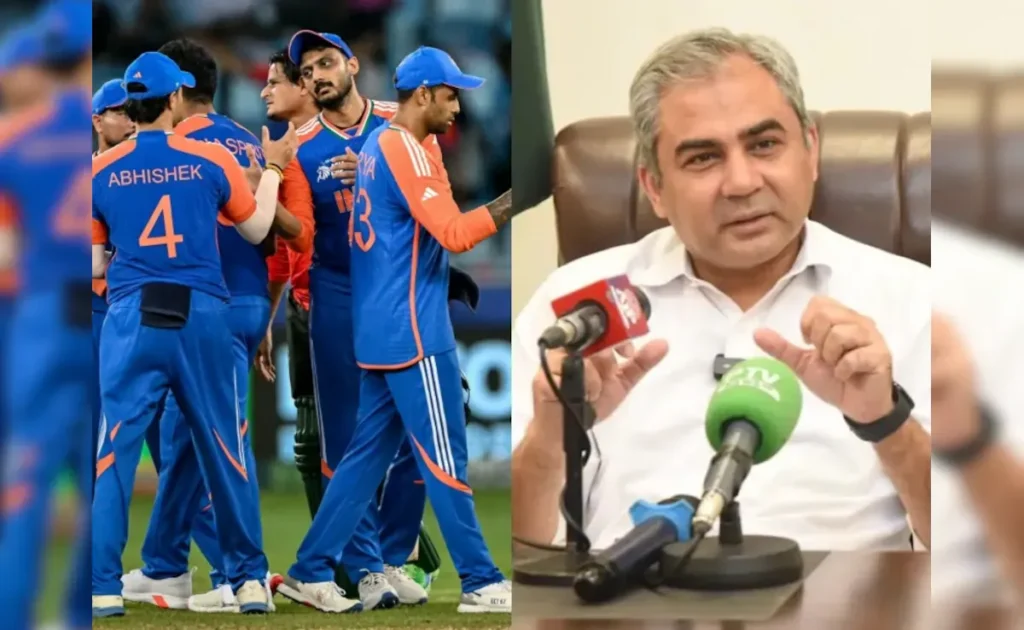
In fact, in the men’s Asia Cup just weeks earlier, Indian players had refused handshakes and even declined to accept a trophy from a Pakistani official given political tensions.
So in this women’s match, the absence of handshake rituals, combined with Kaur’s heartfelt message, reflect two parallel currents: the weight of rivalry, and a desire to retain some dignity, decorum, and connection with supporters.
What It Means Moving Forward
- Confidence Booster & Momentum Builder
Beating a rival so decisively helps morale. As India progresses in the World Cup, this win can serve as both a psychological edge and a source of belief in their “A-game.” - Room for Improvement
The fielding lapses, dropped chances, and missed opportunities are caution flags. Against stronger teams like Australia or England, such mistakes could cost dearly. - Leadership Under Spotlight
Kaur’s composed words, willingness to accept imperfections, and ability to rally her squad — especially under pressure — highlight her ongoing leadership maturity. - Sports and Symbolism
This match underscores how cricket is never just a game between India and Pakistan. Gestures, conduct, and public statements are interpreted in broader social, cultural, and political frames. Kaur’s message to the public can help to humanize the sport beyond rivalry. - Message to the Fans
In saying “everyone back home is happy,” Kaur acknowledges that for many, this match is deeply personal. Indian fans — across cities, states, languages — invest their hopes, pride, emotions. That simple phrase bridges a gulf between the pitch and people.
Final Thoughts
Sport can be a mirror — reflecting rivalry, tension, identity, and sometimes reconciliation. But it can also be a bridge: a way to connect hearts and inspire pride.
In Colombo, when Harmanpreet Kaur looked into the camera, and spoke of fans back home, she did more than revel in victory. She offered a moment of warmth, gratitude, and inclusion. The 88-run win will be remembered for the cricket. But perhaps that quiet message — to those cheering far away — will resonate even longer.