|
Getting your Trinity Audio player ready...
|
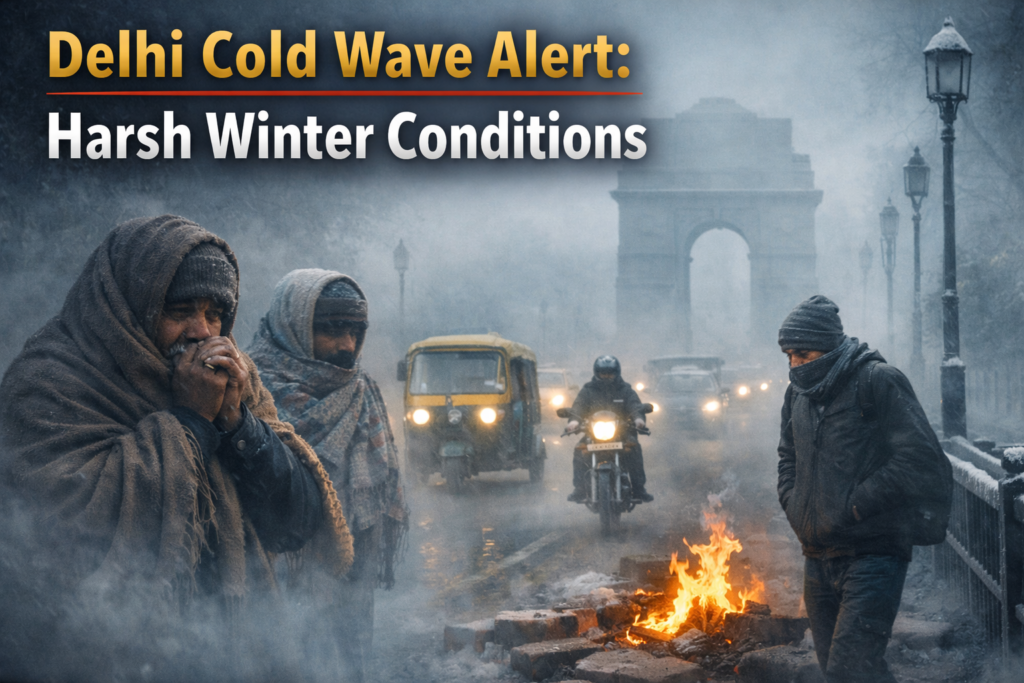
Delhi is facing a severe winter phase as a persistent cold wave tightened its grip on the national capital on 8 January 2026. Plunging temperatures, dense fog, and poor visibility disrupted daily life, slowed transportation, and raised health concerns across the city and nearby regions.
The weather conditions underline how intense North India’s winter can become when cold air currents descend from the Himalayan region and remain trapped due to atmospheric stagnation.
Cold Wave Intensifies Across Delhi
Meteorological observations indicate that Delhi experienced sharp drops in minimum temperatures, with early-morning readings falling into the low single digits in several areas. Daytime temperatures remained subdued due to fog cover and weak sunlight.
Cold north-westerly winds played a major role in maintaining the chill, while the absence of strong daytime heating prevented any significant relief. Authorities warned that cold-wave conditions could persist for several days.
Dense Fog Disrupts Daily Life
Dense fog blanketed the city during early morning hours, significantly reducing visibility and affecting routine movement:
- Flights faced delays due to poor runway visibility
- Train schedules were impacted across northern routes
- Road commuters experienced slower traffic and higher accident risk
The fog was not limited to isolated pockets, covering most urban and suburban parts of Delhi and the NCR region.
Health Risks During Severe Cold
Cold waves are not just uncomfortable — they pose serious health risks, especially for vulnerable groups:
- Elderly individuals and children are at higher risk of hypothermia
- People with respiratory or heart conditions may experience worsening symptoms
- Prolonged exposure to cold air can lower immunity and increase infection risk
Health experts advise heightened caution during prolonged cold spells, particularly during early morning and late-night hours.
Cold Wave Do’s – How to Stay Safe
Health advisories recommend the following precautions to reduce illness risk during a cold wave:
- Dress in layers to retain body heat and protect against wind chill
- Consume warm fluids to maintain hydration and circulation
- Stay active indoors to improve blood flow and warmth
- Ensure proper ventilation when using heating devices
- Regularly check on elderly family members and those living alone
Simple preventive steps can significantly lower health complications during extreme winter conditions.
Cold Wave Don’ts – What to Avoid
Equally important are habits that should be avoided:
- Do not remain outdoors for extended periods in extreme cold
- Avoid skipping meals, as the body needs energy to stay warm
- Do not ignore symptoms like excessive shivering, numbness, or confusion
- Avoid alcohol consumption, which can lower body temperature
- Never use unsafe heating methods indoors
Ignoring these precautions can increase the risk of cold-related illnesses.
Impact on the City
The combined effect of cold temperatures and fog resulted in:
- Slower commute times across the city
- Increased demand for heating and winter essentials
- Heightened pressure on healthcare services
Residents were advised to plan travel carefully and adjust daily routines to reduce exposure.
Final Takeaway
Delhi’s weather on 8 January 2026 highlights the intensity of this winter season. The ongoing cold wave and dense fog are not short-term inconveniences but sustained conditions that demand awareness and preparedness. Staying warm, informed, and cautious remains the most effective response as winter tightens its hold on the capital.
CC (Credits & Citations)
Weather & Forecast Data:
IMD cold wave and fog forecast analysis. : www.ndtv.com
Health Guidance:
Do’s and don’ts for cold wave to prevent illness (NDTV Health). : www.ndtv.com
General Cold Wave Safety:
National cold wave preparedness information. : imdnagpur.gov.in