|
Getting your Trinity Audio player ready...
|

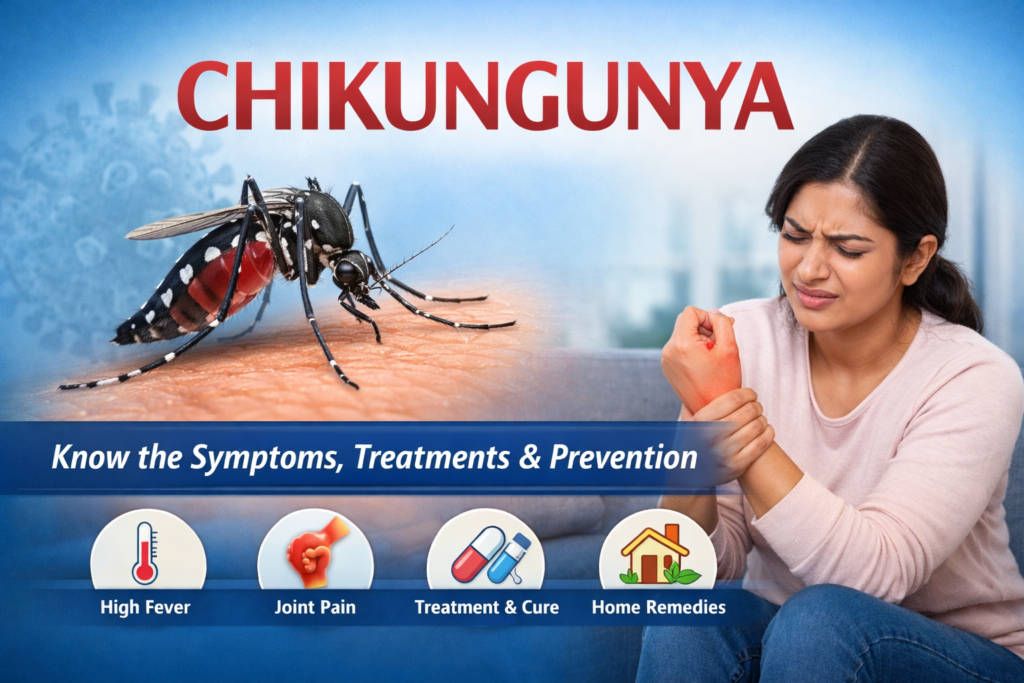
Chikungunya is a mosquito-borne viral illness that has become a serious public health concern in many parts of the world. Known for causing sudden fever and intense joint pain, this disease can disrupt daily life and, in some cases, lead to long-term physical discomfort.
Although it is rarely fatal, the infection can be extremely painful and exhausting. With the right information, early care, and preventive steps, most people can recover fully. This blog provides a detailed, PR-friendly overview of this viral fever, including its symptoms, causes, myths, research updates, medical care, home remedies, and frequently asked questions.
What Is This Viral Fever?
This illness is caused by a virus transmitted to humans through the bite of infected Aedes mosquitoes. These mosquitoes are most active during early mornings and late afternoons.

After infection, symptoms usually begin within 2 to 7 days. While many patients recover within a few weeks, some experience prolonged joint pain that may last for months.
Causes and Transmission
The disease spreads when a mosquito bites an infected person and then transmits the virus to another individual.
Main Causes
• Bite of infected Aedes mosquitoes
• Stagnant water where mosquitoes breed
• Warm and humid climate
• Poor waste and water management
It does not spread through physical contact, food, or air.
Common Symptoms
The symptoms often appear suddenly and can be severe.
Primary Symptoms
• High fever
• Severe joint pain (hands, knees, ankles, wrists)
• Muscle aches
• Headache
• Extreme tiredness
• Back pain
Secondary Symptoms
• Skin rashes
• Joint swelling
• Nausea
• Vomiting
• Red or irritated eyes
Long-Term Effects
In some people, joint stiffness and pain may persist for weeks or even months. This is more common among elderly patients and those with existing joint problems.
Difference Between Similar Viral Infections
Many people confuse this illness with dengue or Zika because of overlapping symptoms.
| Symptom | This Viral Fever | Dengue | Zika |
|---|---|---|---|
| Fever | Sudden | Very high | Mild |
| Joint Pain | Severe | Mild | Mild |
| Bleeding | Rare | Common | Rare |
| Rash | Common | Occasional | Common |
| Long-Term Pain | Common | Rare | Rare |
Rumors and Myths
Misinformation can lead to delayed treatment and unnecessary panic.
Myth 1: This disease is always deadly
Truth: It is rarely fatal. Most people recover completely.
Myth 2: Only dirty places cause it
Truth: Even clean homes can have mosquitoes if stagnant water is present.
Myth 3: Antibiotics can cure it
Truth: Antibiotics work on bacteria, not viruses.
Myth 4: Long-term pain means reinfection
Truth: Persistent joint pain is a known post-viral effect.
Research and Medical Developments
Scientists around the world are working on:
• Vaccine development
• Antiviral medications
• Better pain management strategies
• Understanding long-term inflammation
At present, no specific drug exists to kill the virus, but clinical research is ongoing.
Is There a Permanent Cure?
There is no direct cure that eliminates the virus instantly. The body usually clears the infection naturally within 7 to 10 days. Medical care focuses on symptom control and preventing complications.
Medical Treatment
Doctors aim to reduce pain, fever, and inflammation.
Common Treatments
• Paracetamol for fever and pain
• Adequate rest
• Plenty of fluids
• Anti-inflammatory medicines (if advised)
• Gentle physiotherapy for prolonged joint pain
What to Avoid
• Self-medication
• Aspirin without doctor’s advice
• Heavy physical activity during recovery
Home Remedies That Support Recovery
Home care plays an important role in easing discomfort.
1. Stay Hydrated
Drink water, coconut water, herbal teas, and fresh juices.
2. Warm Compress
Reduces stiffness and relaxes muscles.
3. Turmeric Milk
Known for its anti-inflammatory properties.
4. Ginger Tea
Helps with pain relief and digestion.
5. Light and Nutritious Diet
Fruits, vegetables, soups, and proteins support healing.
Recovery Timeline
| Phase | Duration |
|---|---|
| Acute Phase | 7–10 days |
| Subacute Phase | 2–8 weeks |
| Chronic Phase (rare) | 3 months or more |
How to Prevent This Infection
Prevention is the best defense.
Mosquito Control
• Remove stagnant water
• Clean water containers regularly
• Use mosquito nets
• Install window screens
Personal Protection
• Wear full-sleeved clothing
• Use mosquito repellents
• Avoid mosquito-prone areas
Who Is at Higher Risk?
• Elderly individuals
• Pregnant women
• People with diabetes or arthritis
• Those with weak immunity
Impact on Mental Health
Chronic pain and fatigue can cause:
• Anxiety
• Depression
• Sleep problems
• Reduced work productivity
Emotional support and counseling may help during long recovery phases.
Frequently Asked Questions (FAQs)
1. Can this disease spread from person to person?
No. It spreads only through mosquito bites.
2. How long does it take to recover?
Most people recover within 2–4 weeks.
3. Can I get infected again?
Reinfection is rare, as the body usually develops immunity.
4. Is it dangerous for children?
Children usually recover faster than adults.
5. Is hospitalization required?
Only in severe or complicated cases.
6. Can exercise help?
Gentle stretching helps, but heavy workouts should be avoided.
7. Do herbal remedies cure it?
They may relieve symptoms but do not eliminate the virus.
Final Words
This mosquito-borne viral illness can be painful and exhausting, but it is manageable with timely care, proper rest, and correct information. Early diagnosis, hydration, pain management, and mosquito control are key to recovery.
Public awareness and preventive steps can significantly reduce its impact on communities.