|
Getting your Trinity Audio player ready...
|

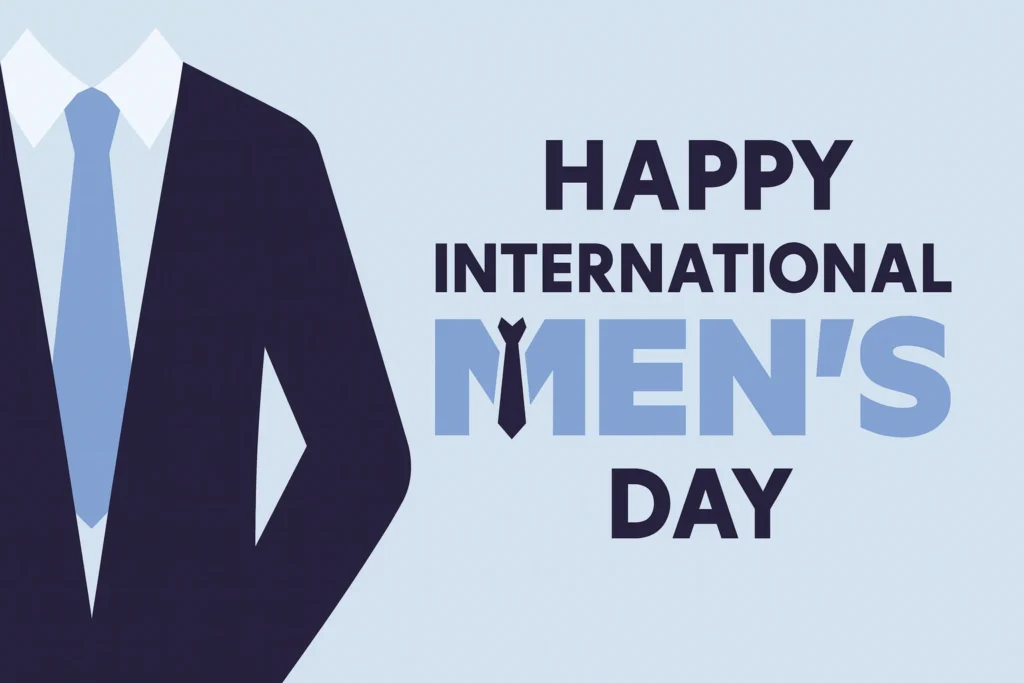
International Men’s Day, celebrated every year on 19th November, often goes unnoticed compared to other global observances. But if you step back and see the bigger picture, the day carries real significance. It isn’t about glorifying masculinity or placing men above anyone else. It’s about balance, well-being, and acknowledging the unique challenges that men face—socially, mentally, and emotionally.
In a time when gender discussions are becoming broader and more inclusive, International Men’s Day offers a chance to pause, reflect, and address issues that are usually pushed under the rug.
What International Men’s Day Truly Represents
Despite popular assumptions, this day isn’t about countering International Women’s Day. The goal is simple and much more thoughtful:

- Highlight men’s positive contributions to family, society, and community
- Raise awareness about men’s mental health, suicide rates, and emotional well-being
- Bring attention to gender stereotypes that affect boys and men
- Promote gender equality by including men in the conversation
- Encourage healthy masculinity—not silence, suppression, or societal pressure
In short, International Men’s Day is not “Men’s celebration day”; it is “Men’s awareness and reflection day.”
Why Men’s Issues Need More Attention
Let’s face it—men have been socially conditioned for generations to “man up,” “stay strong,” and “never show weakness.” This outdated mindset creates long-term damage.
a) Mental Health Crisis
Men are statistically less likely to seek help for stress, depression, anxiety, or emotional struggles. This leads to:
- Higher suicide rates among men
- More undiagnosed mental health conditions
- Emotional disconnect in relationships
- Increased anger and aggression due to suppressed emotions
The expectation to always be strong becomes a trap.
b) Pressure to Be the Provider
Many men feel the constant responsibility to financially support their family, regardless of their personal aspirations or struggles.
This leads to:
- Work burnout
- Career stress
- Financial anxiety
- Identity crisis when they want different life choices
c) Challenges in Fatherhood
Modern fathers want to be more involved, but still face:
- Lack of paternity leave
- Limited societal recognition
- Judgement when they choose caregiving roles
- Balancing work-life expectations
Fatherhood is evolving—but support systems aren’t evolving fast enough.
d) Stereotypes About Masculinity
From childhood, boys hear:
- “Don’t cry.”
- “Boys don’t feel scared.”
- “Be tough.”
- “You should be strong all the time.”
These messages sculpt men who later struggle with vulnerability, communication, and emotional openness.
Breaking these stereotypes is essential—not just for men but for healthier families and relationships.
The Positive Side of International Men’s Day
This day is also about celebrating the good—because men contribute in thousands of unseen ways.
a) Men Who Are Great Fathers
Men who break old patterns and choose to parent actively deserve recognition.
b) Men Who Show Kindness and Support
Not all heroes look dramatic—many show up daily, quietly supporting their families, friends, teams, or communities.
c) Men Who Choose Respect Over Ego
In relationships, workplaces, and friendships, emotionally mature men create stability and safety for people around them.
d) Male Role Models Who Inspire Change
Teachers, coaches, community leaders, entrepreneurs—many men push society forward through innovation and mentoring.
International Men’s Day is a reminder to appreciate these contributions instead of taking them for granted.
India’s Perspective: Why the Day Matters Here Too
In India, the expectations placed on men are often even heavier:
- They are expected to earn, support, solve every problem, and suppress emotions.
- Men who choose different careers or lifestyles face judgment.
- Traditional gender roles often limit men from expressing vulnerability.
At the same time, many Indian men are reshaping these norms by:
- Sharing financial roles with partners
- Being hands-on fathers
- Prioritising emotional communication
- Breaking silence around mental health
This makes International Men’s Day even more relevant for the Indian context.
How We Can Support Men Better
Awareness only matters when followed by action. If society wants healthier men, the support structure must be stronger.
a) Normalize Asking for Help
Encourage men to speak to therapists, friends, or family without shame.
b) Educate Boys Early
Teach boys that emotions are normal—not a weakness.
c) Encourage Fathers to Be Present
Support paternity leave, shared parenting, and participation in caregiving.
d) Promote Healthy Work Cultures
Workplaces should reduce stigma around burnout and provide mental health resources for all.
e) Celebrate Men Who Break Stereotypes
When men choose kindness, vulnerability, or family-first decisions, acknowledge it.
A Balanced Conversation Is the Goal
International Men’s Day is not a competition with any other gender.
It’s not about taking attention away from women, nor about glorifying masculinity.
It’s about balance.
It is about acknowledging that men, too, have emotional depth, vulnerabilities, challenges, and silent battles.
It’s about building a world where everyone—men, women, and all identities—can thrive without toxic expectations.
Conclusion
International Men’s Day is an opportunity to rethink what masculinity means in today’s world. Men need support, appreciation, and emotional space just as much as anyone else. When men become healthier—emotionally, mentally, and socially—families become healthier, workplaces become balanced, and society becomes stronger.
This year, let’s go beyond the “Happy Men’s Day” message and actually start a meaningful conversation.
Because supporting men isn’t just good for men—
it’s good for everyone.