|
Getting your Trinity Audio player ready...
|
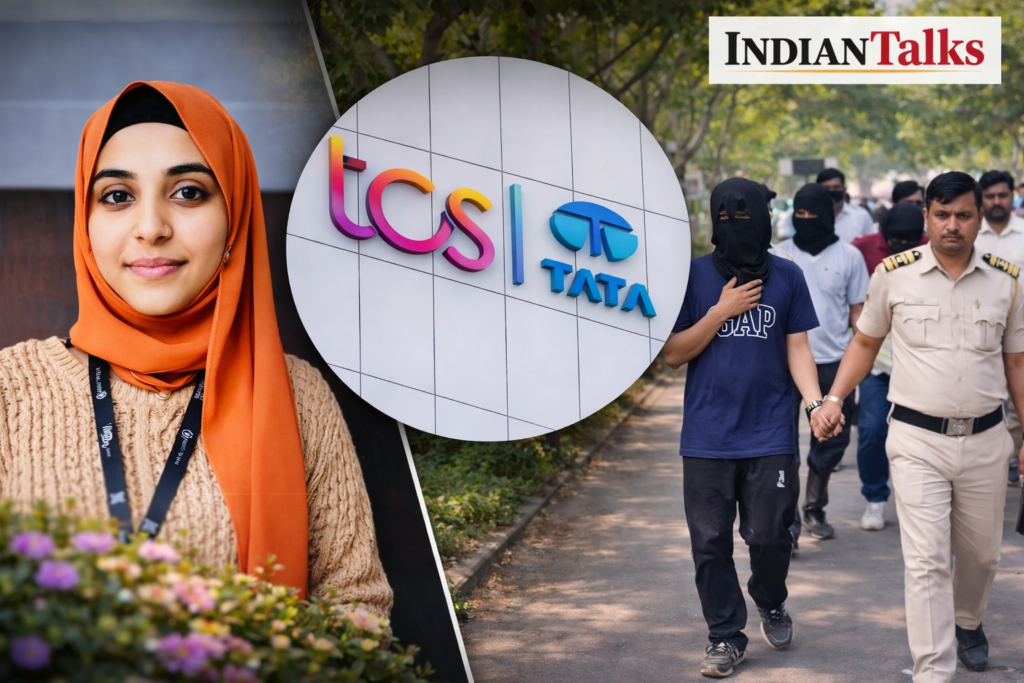
The recent controversy involving Tata Consultancy Services in Nashik has shaken India’s corporate ecosystem. What began as a complaint by a few employees has now escalated into one of the most serious workplace misconduct cases in the country, raising urgent questions about employee safety, internal accountability, and corporate governance.
How the Case Came to Light
The case surfaced after a complaint triggered a covert police investigation inside a TCS Business Process Outsourcing (BPO) unit in Nashik. Authorities deployed undercover officers disguised as staff members to gather evidence. This operation revealed disturbing patterns of alleged sexual harassment, coercion, and misconduct spanning several years.
Investigators have registered multiple FIRs, indicating that the issue was not isolated but systemic. Reports suggest that the incidents date back to 2022 and continued until early 2026, affecting several employees, most of them young women.
Serious Allegations Surface
The allegations include sexual harassment, exploitation under false promises of marriage, and inappropriate workplace behavior. Victims have described incidents involving mental pressure, physical misconduct, and repeated advances despite rejection.
In addition to sexual harassment, the case also includes claims of religious coercion. Some employees alleged that they faced pressure to change their beliefs or adopt certain practices. Investigators are examining these claims carefully, though some aspects remain under verification.
The scale and nature of these accusations have shocked both the public and industry experts.
Organized Pattern, Not Isolated Incidents
Police officials have indicated that the accused may have acted in a coordinated manner. Multiple reports suggest that certain employees used their positions of authority to target vulnerable colleagues, especially new recruits who were financially unstable or emotionally vulnerable.
Authorities have described the operation as resembling an organized network rather than random individual actions. Several accused individuals held senior roles, including team leaders and HR personnel, which allowed them to influence internal processes and suppress complaints.
This organized aspect makes the case far more serious, as it points to systemic exploitation within the workplace.
Failure of Internal Mechanisms
One of the most alarming aspects of the case is the apparent failure of internal grievance systems. Employees reportedly raised concerns multiple times, but the complaints did not lead to timely or effective action.
This raises serious concerns about the implementation of India’s Prevention of Sexual Harassment (PoSH) Act within large corporations. Experts argue that compliance on paper means nothing if organizations fail to act decisively when real complaints arise.
The role of HR has come under particular scrutiny. Allegations suggest that some officials either ignored complaints or discouraged victims from pursuing formal action.
Arrests and Legal Action
Law enforcement agencies have taken swift action following the revelations. Several individuals have been arrested, and more are under investigation. The case has also drawn the attention of higher authorities, including specialized investigative agencies.
In one development, a senior operations manager was sent to judicial custody, indicating the seriousness of the charges.
Police have formed a Special Investigation Team (SIT) to handle the case, ensuring a focused and thorough inquiry.
TCS Responds
TCS has initiated an internal investigation and suspended the employees involved. The company has stated that it maintains a zero-tolerance policy toward misconduct and is committed to ensuring a safe working environment.
Senior leadership has assured that corrective measures will follow based on the findings.
However, the damage to the company’s reputation has already begun, with stakeholders demanding greater transparency and accountability.
Impact on the IT Industry
This case is not just about one company. It has broader implications for the entire Indian IT sector.
Global clients, investors, and regulators are now paying closer attention to workplace practices in Indian firms. Experts believe this incident may lead to stricter compliance requirements and more rigorous audits of internal policies.
The industry now faces a critical moment where it must rebuild trust and demonstrate genuine commitment to employee welfare.
Voices of the Victims
Victims in this case have shown remarkable courage by coming forward. Their testimonies highlight the emotional and psychological toll of workplace harassment.
Many have described feeling isolated, ignored, and pressured to remain silent. Their experiences underline the urgent need for safer reporting mechanisms and stronger institutional support.
What Happens Next
The investigation is ongoing, and more details are likely to emerge in the coming weeks. Authorities are examining digital evidence, internal communications, and financial records to understand the full extent of the case.
Legal proceedings will determine the accountability of those involved, while corporate reforms will decide how such incidents can be prevented in the future.
Conclusion
The TCS Nashik case is a wake-up call. It exposes the gap between corporate policies and ground realities.
If companies fail to protect their employees, no amount of branding or compliance documentation can save their credibility. This case must lead to real change, not just statements.
Because at the end of the day, a workplace is only as strong as the safety and dignity it offers its people.