|
Getting your Trinity Audio player ready...
|
India celebrates Rashtriya Ekta Diwas, also known as National Unity Day, every year on 31 October to promote national integration, unity and harmony. The occasion marks the birth anniversary of Sardar Vallabhbhai Patel, one of the most important leaders in India’s freedom struggle and the person widely remembered for his contribution to integrating hundreds of princely states into the Indian Union.
Rashtriya Ekta Diwas 2026 will be observed on Saturday, 31 October. This year marks the 151st birth anniversary of Sardar Vallabhbhai Patel, who was born on 31 October 1875. Across India, government institutions, schools, colleges, police forces and community organisations participate in activities that promote the message of national unity.
The day is not only about remembering a historical leader. It also highlights the importance of India’s diversity, shared identity, constitutional values and collective responsibility. From the Run for Unity and the National Unity Pledge to cultural programmes and special celebrations at the Statue of Unity in Gujarat, Rashtriya Ekta Diwas encourages citizens to work together for a united and peaceful country.
What Is Rashtriya Ekta Diwas?
Rashtriya Ekta Diwas is the Hindi name for National Unity Day. It is observed across India on 31 October every year to recognise the importance of national unity and remember Sardar Vallabhbhai Patel’s contribution to the integration of the country.
The observance encourages people to respect India’s cultural, linguistic, religious and regional diversity while maintaining a shared commitment to the nation’s unity and integrity.
India is home to people who speak different languages, follow different traditions and celebrate different festivals. These differences are an important part of the country’s identity. National Unity Day reminds citizens that diversity and national unity can exist together.
The day also highlights the importance of cooperation, peace, mutual respect and responsible citizenship. Its message is relevant not only to government institutions but also to students, working professionals, communities and families.
When Is Rashtriya Ekta Diwas 2026?
Rashtriya Ekta Diwas 2026 will be celebrated on Saturday, 31 October 2026.
The date is observed every year because it is the birth anniversary of Sardar Vallabhbhai Patel. He was born on 31 October 1875 in Nadiad, Gujarat.
| Event | Details |
|---|---|
| Occasion | Rashtriya Ekta Diwas 2026 |
| Also known as | National Unity Day |
| Date | 31 October 2026 |
| Day | Saturday |
| Birth anniversary | 151st |
| Honoured personality | Sardar Vallabhbhai Patel |
| Main celebration location | Ekta Nagar, Gujarat |
| Major activity | Run for Unity and Ekta Parade |
The observance takes place nationwide, while the main national-level celebration is organised at Ekta Nagar, near the Statue of Unity in Gujarat.
History of Rashtriya Ekta Diwas: How Did It Start?
The Government of India introduced Rashtriya Ekta Diwas in 2014 to honour Sardar Vallabhbhai Patel and recognise his contribution to national integration.
On 25 October 2014, the Ministry of Home Affairs announced the decision to observe Patel’s birth anniversary as National Unity Day every year on 31 October. The first nationwide observance took place on 31 October 2014.
The announcement highlighted the importance of remembering Patel’s efforts to unite the country after Independence. It also introduced activities such as the Run for Unity, pledge-taking ceremonies and march-pasts by police and other security organisations.
Since its introduction, Rashtriya Ekta Diwas has become an annual occasion for public participation and awareness programmes. Schools, colleges, government departments and youth organisations conduct activities that encourage people to understand the meaning of national unity.
In 2015, the Ek Bharat Shreshtha Bharat initiative was announced on 31 October during the 140th birth anniversary of Sardar Patel. The initiative promotes cultural exchange and understanding between different states and Union Territories.
Over the years, National Unity Day has developed into an occasion that connects historical remembrance with the wider goal of strengthening relationships among India’s diverse communities.
Why Is 31 October Celebrated as National Unity Day?
31 October was selected because it is the birth anniversary of Sardar Vallabhbhai Patel.
Patel played a major role in India’s freedom movement and the political integration of the country after Independence. At a time when India faced the possibility of fragmentation due to the existence of hundreds of princely states, he helped bring them into the Indian Union through negotiations, diplomacy and administrative measures.
His contribution helped establish the territorial and political foundations of modern India.
The Government of India introduced National Unity Day to recognise this historical contribution and encourage citizens to protect the country’s unity and integrity.
The date also provides an opportunity for educational institutions and public organisations to discuss the importance of cooperation, national responsibility and peaceful coexistence.
Significance of Rashtriya Ekta Diwas in India
Rashtriya Ekta Diwas carries significance beyond its connection with a historical personality. It highlights the values that help a diverse country function as one nation.
Promoting Unity in Diversity
India has a wide variety of languages, religions, customs, food traditions, festivals and regional identities. These differences make the country culturally rich.
National Unity Day reminds people that respecting these differences is essential for maintaining harmony. National unity does not mean that everyone must follow the same culture or language. It means recognising a shared national identity while respecting individual and community traditions.
Strengthening National Integration
National integration refers to the process of bringing people from different regions and communities together through shared values, institutions and responsibilities.
Rashtriya Ekta Diwas encourages citizens to think beyond regional and social differences and recognise their common responsibilities towards the country.
Remembering India’s Historical Journey
The day provides an opportunity to understand the challenges India faced after Independence. The integration of princely states, the creation of national institutions and the establishment of a democratic system were important steps in building a united country.
Understanding this history helps younger generations appreciate the efforts involved in nation-building.
Encouraging Peace and Social Harmony
A peaceful society depends on mutual respect, understanding and cooperation. National Unity Day promotes these values by encouraging people to reject discrimination, division and unnecessary conflict.
It reminds citizens that social harmony requires participation from individuals, institutions and communities.
Inspiring Young Generations
Students and young people are an important part of India’s future. Activities organised on National Unity Day encourage them to learn about the country’s history and understand their responsibilities as citizens.
Through speeches, debates, essay competitions, cultural programmes and unity pledges, educational institutions help communicate the importance of national integration.
Sardar Vallabhbhai Patel’s Contribution to National Unity
Sardar Vallabhbhai Patel is closely associated with Rashtriya Ekta Diwas because of his contribution to bringing India together after Independence.
Born in Nadiad, Gujarat, on 31 October 1875, Patel became an important leader in the Indian freedom movement. He participated in movements such as the Kheda Satyagraha and Bardoli Satyagraha, where he helped organise farmers against British administrative policies.
After India gained independence in 1947, Patel became the country’s first Deputy Prime Minister and Home Minister. One of his most important responsibilities was the integration of princely states into the Indian Union.
At the time of Independence, more than 560 princely states had to decide their political future. Patel, working closely with V. P. Menon and the States Department, played a leading role in bringing these states into the Union through negotiation and other administrative measures.
This achievement helped prevent political fragmentation and supported the formation of a united Indian nation.
His contribution to national integration earned him the title of the Iron Man of India. Rashtriya Ekta Diwas recognises this legacy and encourages citizens to carry forward the values of unity, determination and public responsibility.
What Is Run for Unity and Why Is It Organised?
Run for Unity is one of the most recognised activities associated with Rashtriya Ekta Diwas.
The event encourages people from different age groups and backgrounds to participate in runs or unity walks that promote national integration. It is organised in cities, towns, educational institutions and other locations across India.
The activity was introduced as part of the first National Unity Day celebrations in 2014. Students, athletes, government employees, police personnel, youth groups and members of the public have participated in such events over the years.
The purpose of Run for Unity is not simply physical fitness. It uses the idea of people walking or running together to communicate a larger message: citizens may have different backgrounds, but they share a common responsibility towards the country.
The event also provides an opportunity for schools and colleges to involve students in community activities and discussions about national unity.
Rashtriya Ekta Diwas Pledge: What Does It Mean?
The National Unity Pledge is another important part of Rashtriya Ekta Diwas celebrations.
Government offices, public sector organisations, educational institutions and other participating organisations organise pledge-taking ceremonies to remind people of their responsibility towards national unity and integrity.
The pledge focuses on maintaining the unity, integrity and security of the country. It encourages citizens to remain committed to national integration and work towards a peaceful and united India.
The activity is particularly meaningful in schools and colleges because it allows students to connect the idea of unity with their everyday behaviour.
Respecting different communities, avoiding discrimination, cooperating with others and following constitutional values are practical ways of supporting the message of National Unity Day.
How Is Rashtriya Ekta Diwas Celebrated Across India?
National Unity Day is observed through several activities organised by government departments, educational institutions, security organisations and local communities.
Run for Unity
Runs and unity walks are organised in different parts of the country. These activities encourage public participation and promote the message of national integration.
National Unity Pledge
Government offices, schools, colleges and public institutions organise pledge ceremonies. Participants reaffirm their commitment to the country’s unity and integrity.
Essay and Speech Competitions
Schools and colleges conduct essay-writing, speech, debate, quiz and poster-making competitions. Students are encouraged to discuss topics related to national unity, Sardar Patel’s contribution and India’s diversity.
Cultural Programmes
Cultural performances highlight India’s different regional traditions. Folk dances, music, traditional clothing and other performances help showcase the country’s cultural diversity.
Police and Security Force March-Pasts
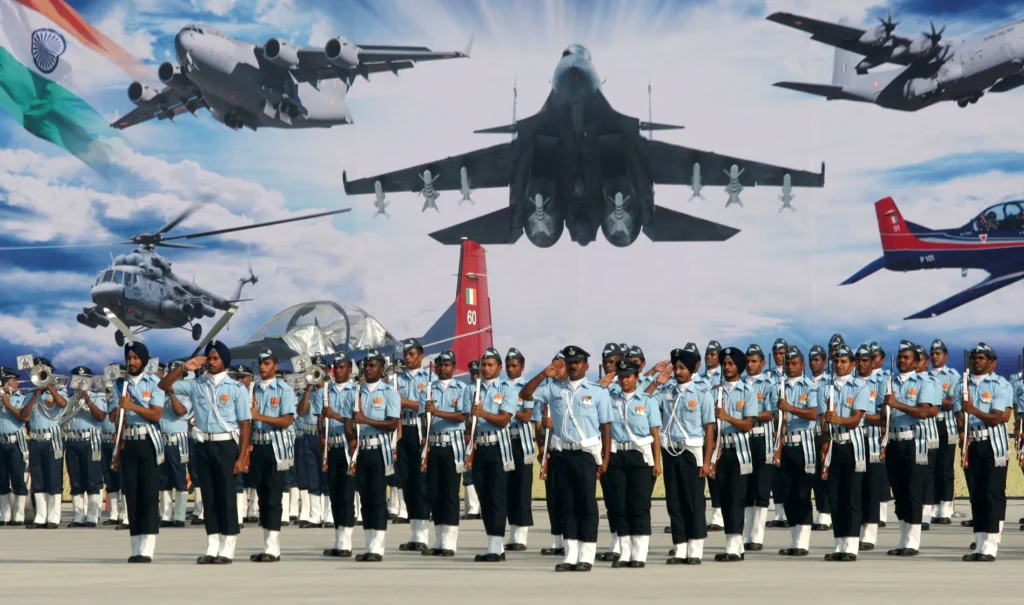
Police forces, Central Armed Police Forces and other participating organisations take part in ceremonial parades and march-pasts during national-level celebrations.
Awareness Activities
Institutions and community organisations conduct activities that encourage citizens to understand the importance of national integration, social harmony and public responsibility.
These activities make National Unity Day a public occasion rather than a ceremony limited to government offices.
Rashtriya Ekta Diwas 2026: Celebrations at the Statue of Unity
The main national-level Rashtriya Ekta Diwas celebrations in 2026 are scheduled to take place at Ekta Nagar in Gujarat, near the Statue of Unity.
According to the Ministry of Home Affairs briefing reported by the Press Information Bureau on 21 October 2026, the main programme will take place on 31 October. The Prime Minister is scheduled to pay tribute to Sardar Vallabhbhai Patel at the Statue of Unity in the morning, followed by the Ekta Parade in the evening.
This year’s celebrations will include a special focus on the work of state police forces, Central Armed Police Forces and Central Police Organisations.
The announced programme includes:
Ekta Parade: State police forces and Central Armed Police Forces will participate in the parade, highlighting their contribution to national security and public service.
Cultural performances: Around 5,000 artists are expected to participate in cultural presentations, bringing together traditions and performances from different parts of India.
Vande Mataram theme: The cultural programme and tableaux will feature the theme of Vande Mataram, marking the 150th year of the national song.
National School of Drama presentation: Around 2,000 artists from 126 districts are expected to participate in a theatrical presentation based on the theme of Naxal Mukt Bharat.
Public participation: Around 5,000 people from the 126 districts mentioned in the programme have been invited to attend the celebrations.
A special feature of the 2026 programme is that the parade and cultural performances are scheduled for the evening. The government has also announced that several tableaux will be developed using ideas submitted by members of the public through national and state-level competitions.
These announced programmes reflect the effort to make Rashtriya Ekta Diwas a celebration of national service, cultural diversity and public participation.
Statue of Unity: A Symbol of National Integration
The Statue of Unity is one of the most important landmarks associated with Rashtriya Ekta Diwas.
Located in Ekta Nagar in Gujarat’s Narmada district, the monument is dedicated to Sardar Vallabhbhai Patel. At approximately 182 metres, it is recognised as the world’s tallest statue.
The monument was inaugurated on 31 October 2018, marking Patel’s birth anniversary.
The statue represents his contribution to bringing the princely states together and establishing the foundations of a united India. Its location near the Sardar Sarovar Dam has also helped develop Ekta Nagar as a major tourism destination.
Visitors can explore the statue complex, exhibition spaces, viewing facilities and other attractions in the surrounding area. The destination also provides an opportunity to learn about Patel’s life and the historical process of India’s integration.
During Rashtriya Ekta Diwas, the Statue of Unity becomes the centre of national remembrance and celebrations.
Ek Bharat Shreshtha Bharat: Taking the Message Beyond One Day
Rashtriya Ekta Diwas is closely connected with the broader idea of Ek Bharat Shreshtha Bharat.
The initiative was announced on 31 October 2015 to encourage cultural understanding and interaction between different states and Union Territories.
India’s cultural diversity is reflected in its languages, festivals, food, art, music and traditions. However, people from different regions may not always have opportunities to understand one another’s cultures.
Ek Bharat Shreshtha Bharat promotes interaction through educational, cultural and language-related activities. Paired states and Union Territories participate in programmes that encourage people to learn about each other’s traditions and share cultural experiences.
The initiative supports the wider message of National Unity Day by making national integration a continuous process rather than limiting it to an annual celebration.
Why Is National Unity Important for India’s Future?
National unity is important for India’s social stability, economic development and democratic functioning.
A country with different languages, religions and cultural traditions needs institutions and social values that allow people to live and work together peacefully.
Unity can support cooperation between states, improve public participation and create a stronger sense of shared responsibility. It also helps communities work together during emergencies, natural disasters and other national challenges.
For economic development, cooperation between regions can support trade, infrastructure, education, tourism and employment opportunities. People and businesses benefit when different parts of the country remain connected through transport, communication and shared institutions.
National unity also depends on respecting constitutional rights and democratic values. Citizens should be able to express different opinions, follow different traditions and participate in public life while respecting the rights of others.
Rashtriya Ekta Diwas provides an opportunity to reflect on these responsibilities and understand why unity remains important for the country’s future.
How Can Students and Citizens Participate in Rashtriya Ekta Diwas 2026?
Participation in National Unity Day does not require attending a large national event. People can take part through activities organised in their schools, workplaces and communities.
Students can participate in essay competitions, debates, speeches, quizzes and poster-making activities related to national integration. They can also learn about Sardar Patel’s contribution and the history of India’s princely states.
Schools and colleges can organise cultural programmes that represent different Indian states and traditions. Such activities help students understand the meaning of unity in diversity.
Citizens can participate in local Run for Unity events, attend pledge ceremonies and support community activities that promote harmony.
Families can also use the occasion to discuss India’s history, freedom movement and the importance of respecting different cultures.
The main purpose is to turn the message of unity into everyday actions through cooperation, understanding and responsible citizenship.
Rashtriya Ekta Diwas 2026 Wishes and Messages
National Unity Day is an opportunity to share messages that encourage unity, peace and national integration.
Here are a few messages suitable for social media posts, school programmes and public greetings:
- Happy Rashtriya Ekta Diwas 2026! Let us celebrate the strength of India in its unity and diversity.
- On National Unity Day, let us remember the importance of standing together for a peaceful and united India.
- Celebrating Rashtriya Ekta Diwas with pride. May respect, harmony and cooperation continue to strengthen our nation.
- One nation, many cultures, countless traditions and one shared identity. Happy National Unity Day!
- Let us honour the vision of Sardar Vallabhbhai Patel by working together for a stronger and united India.
- Unity is our strength, diversity is our identity. Wishing everyone a meaningful Rashtriya Ekta Diwas 2026.
Conclusion
Rashtriya Ekta Diwas 2026 will be observed on 31 October to celebrate national unity and remember Sardar Vallabhbhai Patel’s contribution to building a united India. The occasion highlights the importance of cooperation, social harmony, cultural understanding and national integrity.
From the Run for Unity and the National Unity Pledge to school activities, cultural programmes and the Ekta Parade at the Statue of Unity, the day encourages people from different backgrounds to come together around a shared national identity.
India’s diversity is one of its defining strengths. Preserving that diversity while maintaining mutual respect and unity is a responsibility shared by every citizen.
National Unity Day reminds us that a strong nation is built not only through institutions and infrastructure but also through the values, actions and cooperation of its people.
FAQs
When is Rashtriya Ekta Diwas celebrated in India?
Rashtriya Ekta Diwas is celebrated every year on 31 October. The date marks the birth anniversary of Sardar Vallabhbhai Patel.
Why is Rashtriya Ekta Diwas celebrated?
It is celebrated to honour Sardar Vallabhbhai Patel’s contribution to India’s national integration and promote unity, integrity and harmony among citizens.
When was National Unity Day first celebrated?
The first Rashtriya Ekta Diwas was observed on 31 October 2014, following the Government of India’s decision to mark Patel’s birth anniversary as National Unity Day.
What is the theme of Rashtriya Ekta Diwas 2026?
The 2026 celebrations have announced Vande Mataram as the theme for cultural programmed and tableaux, marking the 150th year of the national song. The official programmer also includes the Ekta Parade and other national-level activities.
What is Run for Unity?
Run for Unity is an activity organised as part of National Unity Day celebrations. It encourages people to participate in runs and unity walks to promote national integration and public participation.
Where are the main Rashtriya Ekta Diwas celebrations held in 2026?
The main national-level celebrations in 2026 are scheduled at Ekta Nagar in Gujarat, near the Statue of Unity.
What is the National Unity Pledge?
The National Unity Pledge is a commitment to uphold India’s unity, integrity and security. It is administered in government offices, educational institutions and other organisations during National Unity Day celebrations.
What is the connection between Sardar Patel and National Unity Day?
Sardar Vallabhbhai Patel played a leading role in integrating hundreds of princely states into the Indian Union after Independence. National Unity Day is observed on his birth anniversary to recognise this contribution and promote national integration.