|
Getting your Trinity Audio player ready...
|
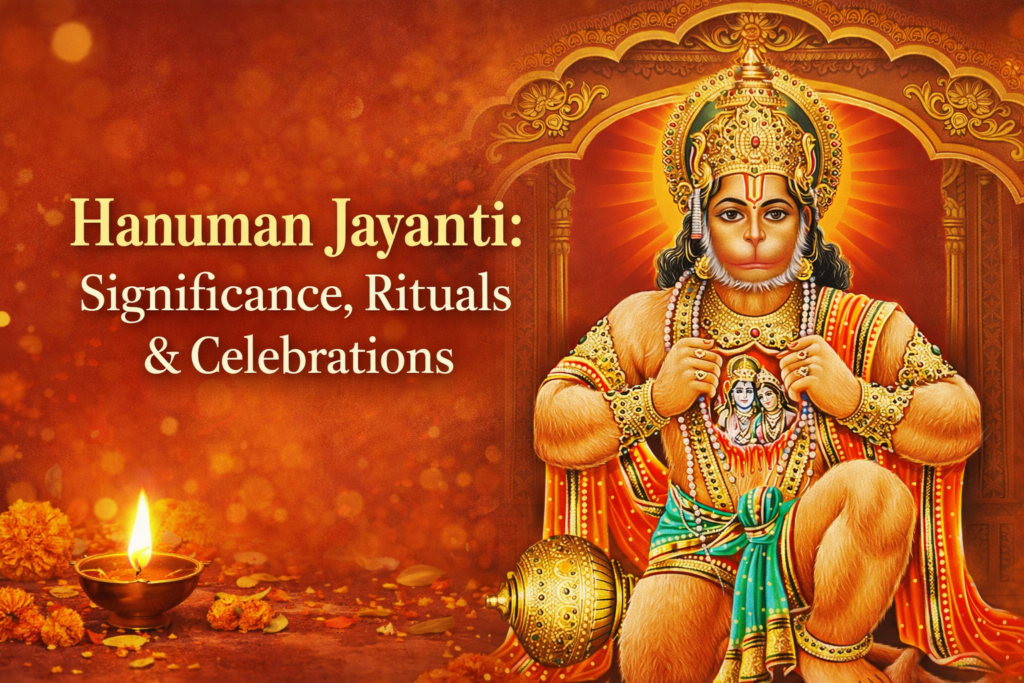
Hanuman Jayanti is not just a festival—it is a powerful reminder of devotion, strength, and unwavering faith. Celebrated with immense enthusiasm across India, this sacred day marks the birth of Lord Hanuman, one of the most revered deities in Hindu mythology. Known for his unmatched courage, loyalty, and selfless service to Lord Rama, Hanuman continues to inspire millions of devotees.
In 2026, Hanuman Jayanti will once again bring spiritual energy, temple celebrations, and heartfelt devotion across the country. But beyond rituals, the festival holds deep meaning that connects directly to our modern lives.
What is Hanuman Jayanti?
Hanuman Jayanti celebrates the birth of Lord Hanuman, the divine monkey god and a central figure in the epic Ramayana. Devotees believe that worshipping Hanuman brings strength, protection from evil, and success in life.
Interestingly, the date of Hanuman Jayanti varies across India. While North India celebrates it on Chaitra Purnima (full moon day), some southern states observe it on different dates based on regional traditions.
Significance of Hanuman Jayanti
The importance of Hanuman Jayanti goes far beyond rituals. It represents:
- Strength and Courage: Lord Hanuman symbolizes physical and mental strength.
- Devotion (Bhakti): His unwavering dedication to Lord Rama sets the ultimate example of loyalty.
- Protection from Evil: Many believe chanting Hanuman Chalisa removes negativity and fear.
Moreover, in today’s fast-paced world, Hanuman’s discipline and humility offer powerful life lessons. Instead of chasing shortcuts, his life teaches persistence and dedication.
Rituals and Traditions
Devotees celebrate Hanuman Jayanti with great devotion and energy. Here’s how the day is typically observed:
1. Early Morning Prayers
People wake up early, take a bath, and visit Hanuman temples. Special prayers and aartis are performed.
2. Chanting Hanuman Chalisa
Reciting the Hanuman Chalisa is considered highly auspicious. Many devotees chant it 11, 21, or even 108 times.

3. Offering Sindoor and Sweets
Lord Hanuman is often offered sindoor (vermilion), jasmine oil, laddoos, and bananas.
4. Fasting
Many devotees observe a fast throughout the day to seek blessings and spiritual growth.
5. Processions and Bhajans
Temples and communities organize processions, devotional songs (bhajans), and cultural programs.
How Hanuman Jayanti is Celebrated Across India
India’s diversity reflects beautifully in how this festival is celebrated:
North India

In states like Uttar Pradesh and Delhi, devotees gather in large numbers at temples. Recitations of the Hanuman Chalisa and Sundar Kand are common.
Maharashtra
Maharashtra celebrates with vibrant processions, devotional singing, and community feasts.
South India
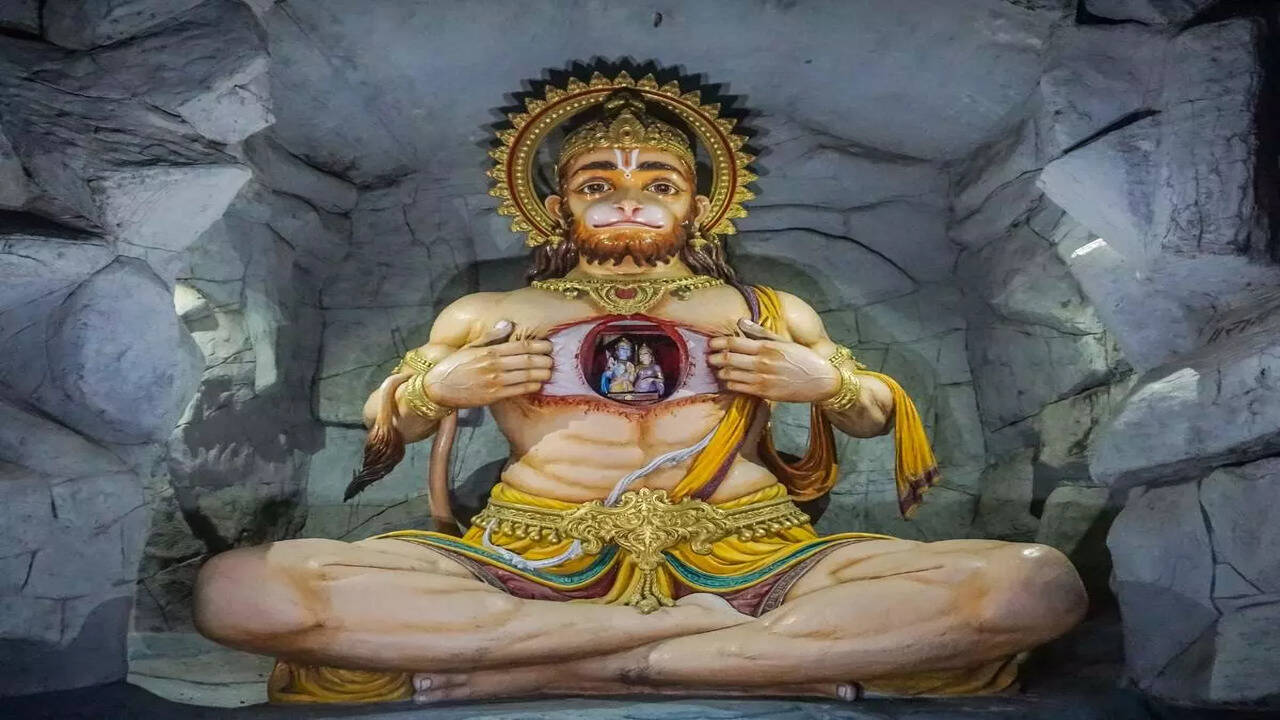
In states like Karnataka and Tamil Nadu, the festival is observed with unique rituals and extended celebrations.
Life Lessons from Lord Hanuman
Hanuman Jayanti is not just about rituals—it’s about transformation. Here are key lessons we can apply:
- Stay Humble: Despite his immense power, Hanuman remained humble.
- Be Fearless: Face challenges with courage and confidence.
- Serve Selflessly: True success lies in helping others without expectations.
- Focus on Discipline: Consistency beats talent when talent lacks discipline.
Frankly, if more people followed even 10% of Hanuman’s mindset, productivity and mental strength would skyrocket.
Conclusion
Hanuman Jayanti 2026 is more than a religious celebration—it’s a call to build inner strength, stay grounded, and live with purpose. Whether you visit a temple, chant the Hanuman Chalisa, or simply reflect on his teachings, this day offers a chance to reset your mindset.
So instead of just celebrating, use this occasion to transform your habits, sharpen your focus, and strengthen your faith.
FAQs
1. When is Hanuman Jayanti 2026?
Hanuman Jayanti in 2026 falls on Chaitra Purnima, usually in April (exact date may vary regionally).
2. Why is Hanuman Jayanti celebrate?
It marks the birth of Lord Hanuman, symbolizing strength, devotion, and protection.
3. What should we do on Hanuman Jayanti?
Devotees pray, fast, chant Hanuman Chalisa, and visit temples.
4. Can we eat non-veg on Hanuman Jayanti?
No, most devotees avoid non-vegetarian food and follow a satvik diet.
5. What is the benefit of chanting Hanuman Chalisa?
It is believe to remove fear, bring peace, and protect from negative energies.